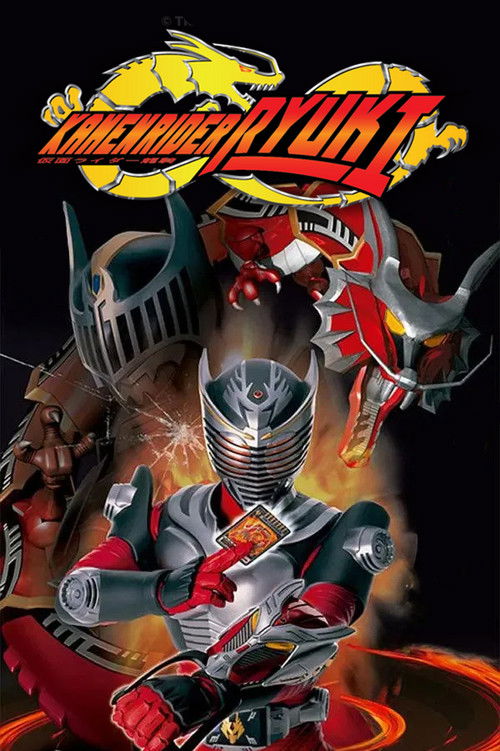
Kamen Rider Ryuki is not just another hero vs. monster series. It marks a major turning point for the franchise, daring to introduce the Battle Royale concept where Riders must fight each other for survival. The blend of the human world with the mirror world, Advent Cards, and dragon partners makes this series stand out and completely different from its predecessors.
Story Summary (No Spoilers for the Ending)
The story takes place when our world has a parallel dimension called the Mirror World, inhabited by monsters that can cross into the real world to attack humans. Only Riders who contract with Mirror World monsters can enter and fight, using Advent Cards as weapons.
Shinji Kido, a kind-hearted young journalist, accidentally gets involved in the Rider battles and becomes Kamen Rider Ryuki, contracting with a dragon. He must confront other Riders, each with different goals—protecting loved ones, seeking revenge, or fulfilling desires. Only one Rider can survive this battle, and Shinji must find a way to end this meaningless war.
Acting and Characters
Lead actor Takamasa Suga as Shinji Kido convincingly portrays innocence and determination. He represents goodness trying to find a way out in a world full of conflict. Satoshi Matsuda as Akiyama Ren, Kamen Rider Knight, brings coolness and mystery hiding a troubled past. The interaction between these two characters is the heart of the story.
The villain Kenzaburo Kikuchi as Kanzaki Shiro, the creator of the Rider system, gives a chilling performance, and Ryohei Odai as Kitaoka Shuichi, Kamen Rider Zolda, makes us smile with his comedic antics. Every character has clear dimensions and motivations, making us invested in their struggles.
Direction, Visuals, and Music
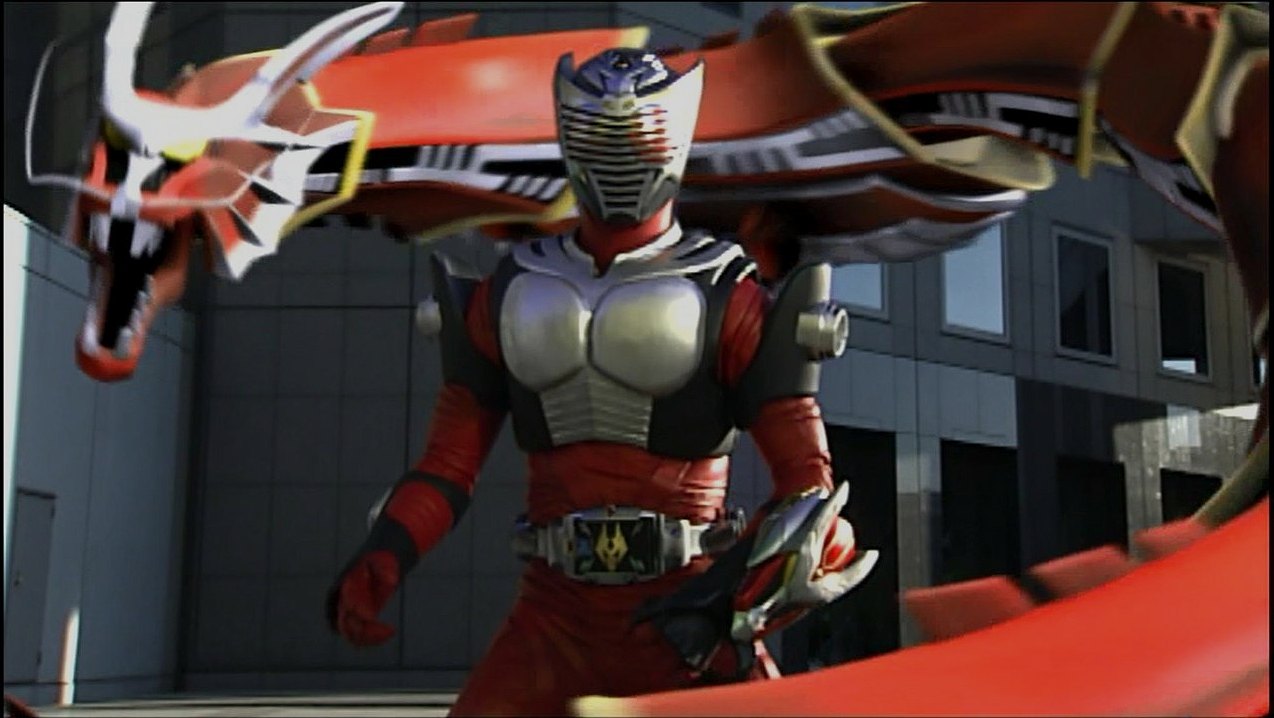
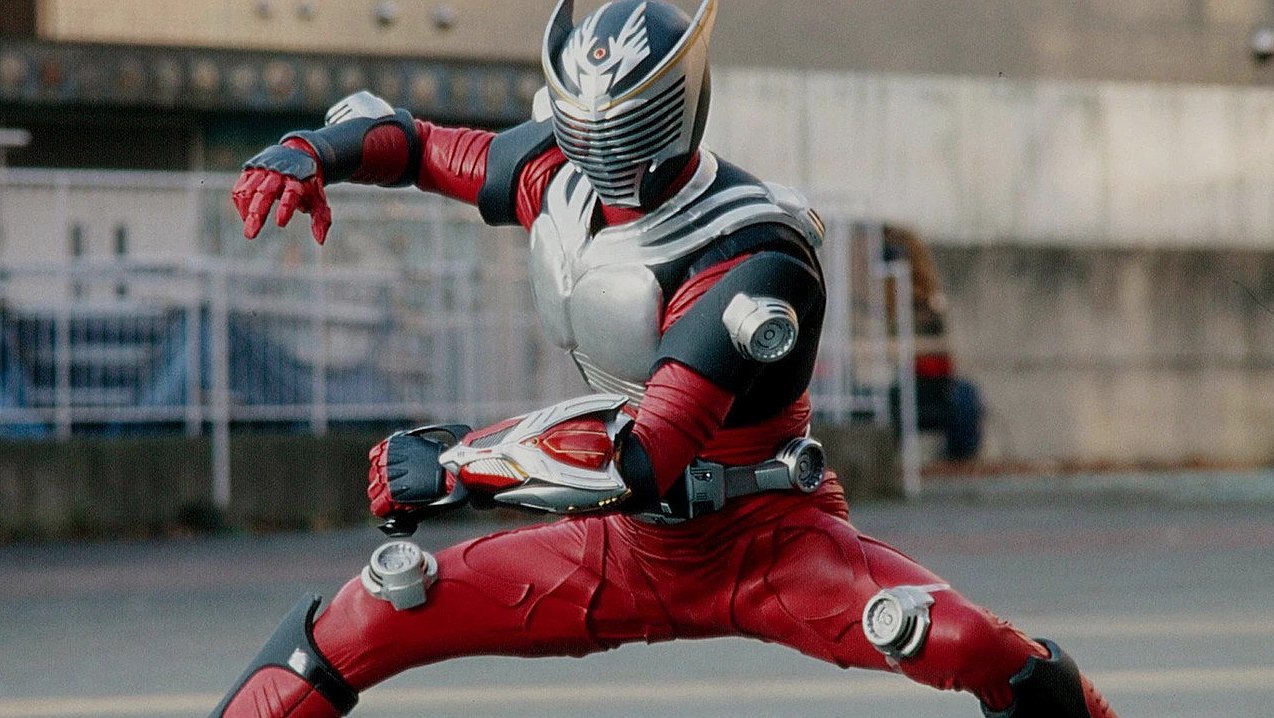
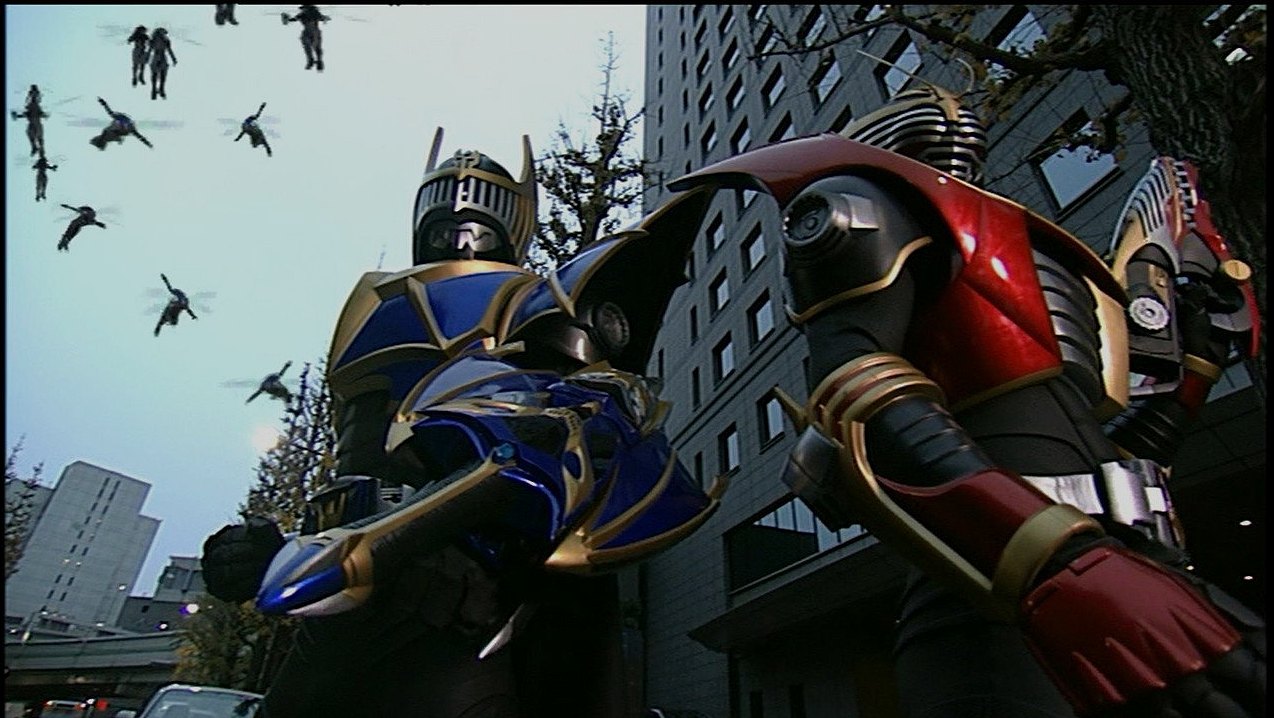
The direction by Hidenori Ishida and the team effectively creates a dark and thrilling atmosphere. Entering the Mirror World through reflective surfaces is a creative idea, and the design of each Rider is striking, especially Ryuki inspired by a dragon. The action scenes use stunts and CG appropriate for the 2000s era.
The theme song "Alive A Life" by Rica Matsumoto enhances the emotional impact of battle scenes, and the opening "Kamen Rider Ryuki" is catchy. Overall, the technical aspects are excellent for a tokusatsu series of that time.
Editorial Analysis
Kamen Rider Ryuki is more than a children's series; it questions the value of life and the meaning of being a hero. The concept that Riders must kill each other to achieve their desires reflects human selfishness, but Shinji tries to change the game by helping everyone without killing, which is a profound issue.
Another highlight is the Advent Cards, which add strategy to battles, and each Rider having a different partner monster increases variety. Although some episodes focus on toy sales, overall the story is intense and engaging, especially towards the end when everything unfolds.
The editorial team views Ryuki as a season that boldly breaks the mold and serves as a prototype for later Battle Royale series. Thus, it is one of the seasons that fans should watch at least once.
Verdict
<p><strong>Kamen Rider Ryuki</strong> is a worthwhile series for both old fans and new viewers who enjoy dark stories, political dynamics between characters, and intense battles. Despite its age, the themes it presents remain contemporary. If you like Battle Royale genres or want to see heroes with more depth than just saving people, this is the answer.</p>
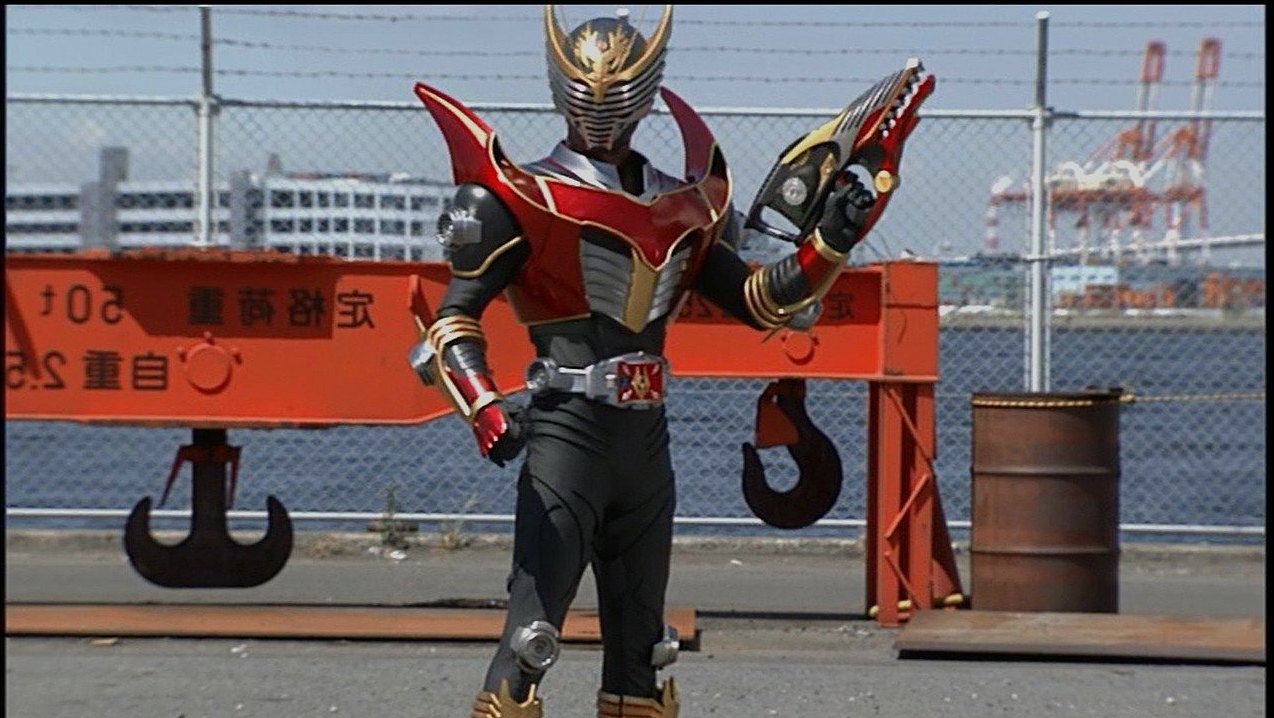
Screenshots
👍 Pros
- +Intense and unique Battle Royale plot
- +Diverse characters with depth, each with clear goals
- +Beautiful and creative Rider and Mirror World designs
👎 Cons
- −Some CG and special effects may look dated
- −Certain parts of the story drag with repetitive battles
Top Cast




FAQ
A total of 50 episodes, aired from 2002 to 2003, plus several movie and TV specials.
Ryuki is the first season to introduce the Battle Royale concept, where Riders fight each other for survival, unlike previous seasons where they united against enemies.
According to the story, Kamen Rider Ouja and Kamen Rider Ryuki Survive are often considered among the strongest, but ultimately power does not guarantee victory.